
When Should a Woman First See a Gynaecologist?

When Should a Woman First See a Gynaecologist?
Many women first visit a gynaecologist during pregnancy or only when they experience uncomfortable symptoms. However, gynaecological care is about much more than treating problems—it plays an essential role in protecting your reproductive health, supporting your overall wellbeing, and preventing future complications.
A trusted gynaecologist can guide you through every stage of life, from your teenage years and family planning to pregnancy, menopause, and beyond. Establishing a long-term relationship with a specialist means you have someone who understands your health history and can provide personalised care as your needs evolve.
During Your Teenage Years
For many young women, the first visit to a gynaecologist happens during adolescence. In the first few years after menstruation begins, irregular periods, mild cramps, and changes in cycle length are often a normal part of development.
However, you should consider seeing a gynaecologist if you experience:
- Very heavy menstrual bleeding
- Severe period pain that affects school, work, or daily activities
- Periods that stop for several months without pregnancy
- Menstrual cycles that remain highly irregular over time
Many healthcare organisations recommend a first gynaecological visit between the ages of 13 and 15. In most cases, this appointment is educational rather than involving a physical examination.
Your doctor can discuss topics such as:
- Menstrual health and puberty
- The HPV vaccine
- Healthy lifestyle habits
- Sexual Health and Contraceptive Advice
- Reproductive health education
- Any questions or concerns you may have
This first visit is an excellent opportunity to build confidence and become familiar with your reproductive health.
When You Become Sexually Active
Becoming sexually active is an important milestone in a woman’s life. Regular gynaecological visits provide a safe, confidential environment where you can discuss your health and receive personalised advice.
Your appointment may include discussions about:
- Contraceptive options
- Sexual health
- Prevention of sexually transmitted infections (STIs)
- Cervical screening recommendations
- Human Papilloma virus (HPV)Vaccination
- Menstrual concerns
- Pain or discomfort during intercourse
These conversations can help you make informed decisions about your health and future family planning.
When You Notice Unusual Symptoms
Regardless of your age, some symptoms should never be ignored. You should arrange a consultation if you experience:
- Persistent pelvic pain
- Bleeding between periods
- Increasingly heavy or prolonged menstrual bleeding
- Unusual vaginal discharge
- A strong or unpleasant vaginal odour
- Pain during sexual intercourse
- Bleeding after menopause
These symptoms may indicate conditions such as fibroids, endometriosis, ovarian cysts, infections, or hormonal disorders. Early diagnosis often allows for more effective treatment and better long-term outcomes.
Before Trying to Conceive
If you are planning a pregnancy, a preconception consultation can help you prepare for a healthy pregnancy.
During this appointment, your gynaecologist may:
- Review your medical history
- Discuss any current medications
- Assess your fertility health
- Recommend prenatal supplements, including folic acid
- Update vaccinations if needed
- Discuss healthy lifestyle habits
- Screen for medical conditions that may affect pregnancy
Women with conditions such as endometriosis, fibroids, polycystic ovary syndrome (PCOS), diabetes, or thyroid disorders are especially encouraged to seek pre-pregnancy care to optimise pregnancy outcomes.
Taking these steps before conception helps create the healthiest possible start for both mother and baby.
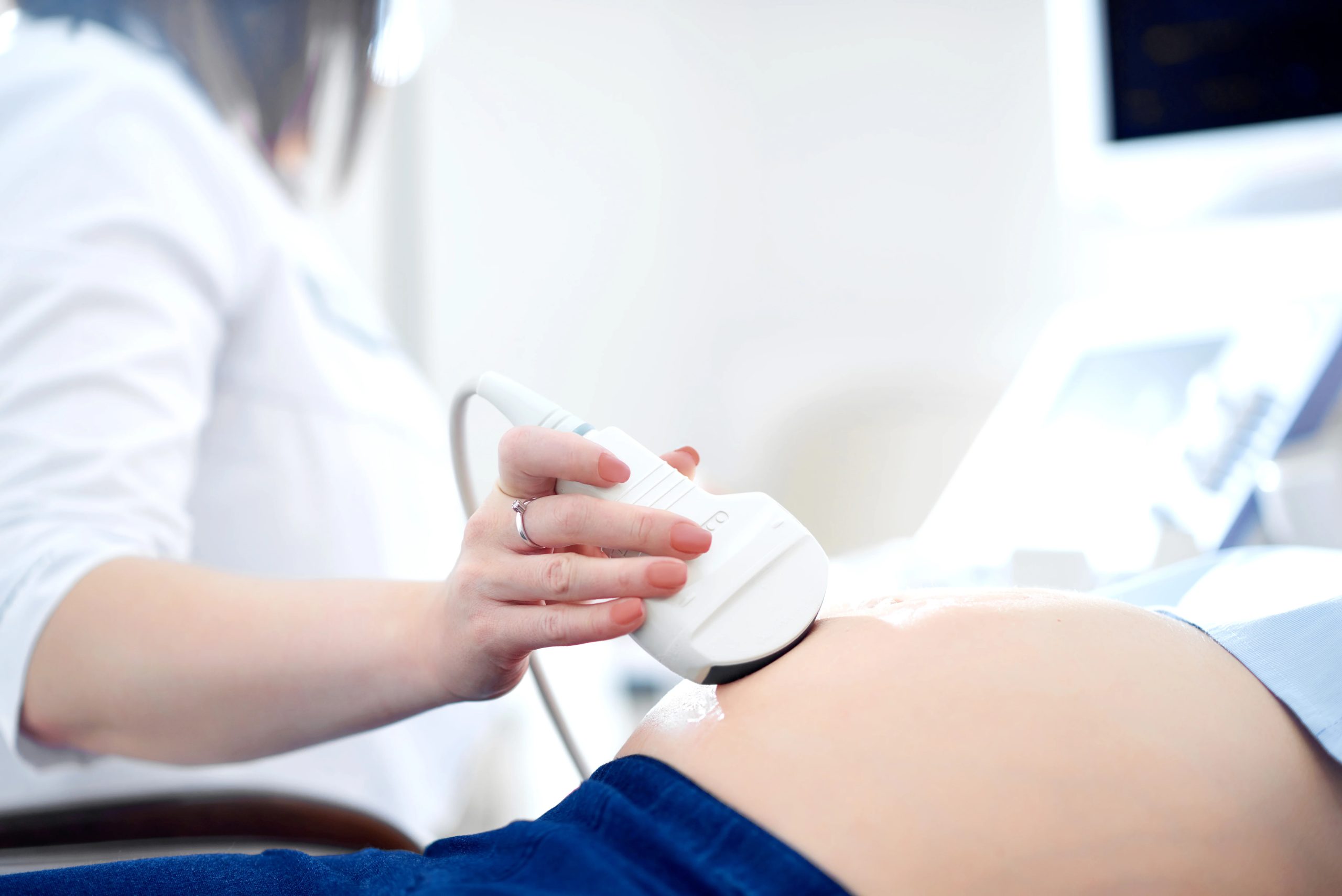
During Pregnancy
Once pregnancy is confirmed, antenatal care should begin as early as possible.
Regular pregnancy check-ups allow your doctor to monitor:
- Your baby’s growth and development
- Your overall health
- Blood pressure
- Blood sugar levels
- Nutritional needs
- Exercise advice during pregnancy
- Any pregnancy-related complications
Early and consistent antenatal care helps identify potential concerns promptly, improving outcomes for both mother and baby.
During Perimenopause and Menopause
Women’s healthcare remains just as important after the childbearing years.
During your 40s and 50s, hormonal changes associated with perimenopause and menopause may lead to symptoms such as:
- Irregular periods
- Hot flushes
- Night sweats
- Mood changes
- Vaginal dryness
- Sleep disturbances
- Reduced libido
These symptoms can often be managed effectively with appropriate medical advice and treatment.
Any bleeding after menopause should be assessed promptly, as it may indicate an underlying condition requiring further investigation.
Regular cervical screening and routine gynaecological assessments also remain important during this stage of life.
The Importance of Preventive Gynaecological Care
Preventive care is one of the greatest benefits of regular gynaecological visits.
Routine appointments allow your doctor to:
- Detect health concerns before symptoms appear
- Monitor existing medical conditions
- Recommend appropriate screening tests
- Provide contraceptive counselling
- Support fertility planning
- Guide you through pregnancy
- Help manage menopausal symptoms
Many gynaecological conditions are easier to treat when identified early. Regular check-ups play an important role in maintaining your long-term health and wellbeing.
Building a Lifelong Partnership with Your Gynaecologist
“A woman’s first visit to a gynaecologist should not begin with a problem—it should begin with a partnership. The best time to start is before concerns arise, so together we can protect health, prevent disease, and empower women to live stronger, healthier, and better lives,” said Dr Sheri Lim, Obstetrician & Gynaecologist from Eden Women’s Health.
Therefore, seeing a gynaecologist should not only happen when something feels wrong. Building a long-term relationship with a trusted specialist allows you to receive consistent, personalised care throughout every stage of life.
As your health needs change, your gynaecologist can provide advice tailored to your medical history, lifestyle, family plans, and overall wellbeing.
Whether you need support with menstrual concerns, contraception, fertility, pregnancy, or menopause, having a doctor who knows you and your health journey provides reassurance and continuity of care.
Women’s Healthcare at Eden Women’s Health
At Eden Women’s Health, we believe every woman deserves compassionate, personalised care throughout every stage of life.
Led by Dr Sheri Lim, a board-certified Obstetrician and Gynaecologist with a PhD in Reproductive Biology, our clinic provides evidence-based, patient-centred care tailored to your individual needs.
Whether you are attending your first gynaecological consultation, planning a pregnancy, navigating fertility challenges, expecting a baby, or managing menopause, Dr Sheri Lim is committed to supporting you with expertise, empathy, and personalised guidance.
So, When Should You First See a Gynaecologist?
The simple answer is: whenever you have questions or concerns about your reproductive health.
Your first visit may be during your teenage years, when you become sexually active, before trying to conceive, during pregnancy, around menopause, or whenever you experience symptoms that don’t feel normal. Regular preventive care is equally important, even if you feel well.
Looking after your reproductive health is a lifelong investment in your overall wellbeing. At Eden Women’s Health, we’re here to support you through every stage of your journey with compassionate, expert care.
Book an appointment today and take the first step towards lifelong women’s health.