
Screening

Screening
Your body’s health needs change with every life stage — what matters most in your teens looks different from what matters in your 40s or beyond. At Eden Women’s Health, Dr Sheri Lim takes an age- and stage-appropriate approach to screening, so you know what to watch for, what to check, and when — rather than a one-size-fits-all checklist.
Why Screening by Age Matters
The right screening isn’t just about your age — it’s about your age, your symptoms, your family history, and your life stage all together. But age is a useful starting point: it tells us which conditions are more likely to appear, which routine tests are due, and which conversations are worth having proactively, before a problem develops. The sections below walk through what we focus on at each stage — from a teenager’s first period to health maintenance after menopause.

Teens: Building the Foundation for Menstrual Health
For most girls and young women, periods are the first real signal of reproductive health — and understanding what’s normal (and what isn’t) early on sets the foundation for a lifetime of confident self-care.
What we look out for
- Painful periods (dysmenorrhoea): some discomfort is common, but pain severe enough to affect school, sport, or daily life is not something to simply push through. It’s worth a conversation, since persistent severe pain can sometimes point to conditions like endometriosis, which is often diagnosed later than it should be precisely because period pain is dismissed as normal.
- Irregular periods: cycles may be irregular in the first couple of years after a first period, and this alone may not mean anything is wrong. But if irregular cycles are more than 3 months apart, irregularity continues beyond 12- 18 months, or come with other signs like excess hair growth or persistent acne, it’s worth discussing whether PCOS could be a factor — diagnosed carefully and conservatively at this age.
- Heavy periods: experiencing clots, common overflow resulting in staining of clothes, bleeding heavy enough to cause fatigue, dizziness, or to regularly disrupt school or activities deserves a proper look, as it may point to an underlying cause that’s easily managed once identified.
- No period by age 15–16: most girls will have started menstruating by this age; if not, it’s worth a check-in.
Recommended vaccinations
HPV vaccination: recommended for girls from age 9, is most effective when given before the start of sexual activity. There are two main types of HPV vaccines available in Singapore for teenage girls: Cervarix (HPV2) and Gardasil 9 (HPV9). Under the Ministry of Health Singapore, eligible female Singaporean students receive free Cervarix vaccinations through school-based programs. Cervarix (HPV2) protects against the two primary high-risk HPV strains (16 and 18) that cause cervical cancer. Gardasil 9 (HPV9) protects against nine HPV strains, offering broader coverage against cervical cancer, vulvar/vaginal cancers, and genital warts. For women ages 27–45 years, the vaccine may provide benefit for previously unvaccinated individuals and is worth discussing with your gynaecologist. See our Vaccinations page for more. A first gynaecology visit doesn't need to be daunting — for teens, it's often simply a conversation, in a private and comfortable setting, about what to expect and when to seek help.
20s & 30s: Sexual Health, Contraception & Family Planning
Your 20s and 30s often bring the widest range of reproductive health needs — from menstrual health carried over from your teens, to sexual health, contraception, and, for many, planning a pregnancy.
What we screen for
- Menstrual health: the same red flags from the teenage years which may have evolved over the years— painful, heavy, or irregular periods — still matter, and are worth investigating rather than living with, especially if you’re also trying to conceive.
- Cervical screening: in Singapore, women who have ever been sexually active are recommended to have a Pap smear from age 25, or an HPV test from age 30. Interval of testing is based on results and worth a discussion with your doctor. Screening is important even if you have had your HPV vaccination.
- Sexual health: STI screening is worth discussing whenever you have a new partner or notice symptoms — HPV, in particular, is extremely common and usually symptomless, which is exactly why regular screening matters.
- Ovarian cysts: very common at this age and usually harmless, but worth monitoring if they cause pain or persist. See our Ovarian Cysts page.
Contraception & family planning
- Contraceptive counselling: whatever stage you’re at — avoiding pregnancy, spacing children, or simply wanting to understand your options — a contraceptive counselling session helps you choose what actually fits your life. Different contraceptive types can also have an advantageous profile on your menstrual health. Have a discussion with your gynaecologist on what may suit you best.
- Preconception screening: if you’re planning a pregnancy, screening beforehand (general health review, immunity checks such as rubella, and discussing folic acid supplementation) helps set you up for the healthiest possible start.
- Pregnancy care: once you’re expecting, our Prenatal Care pages cover what to expect from your first visit through to delivery.


40s: A Transitional Decade
Your 40s often bring the first signs of hormonal transition, alongside everything carried forward from earlier decades. Cycle changes are common at this stage — but “common” doesn’t always mean “nothing to check.”
What we focus on
- Menstrual health in transition: cycles often start to shift in length, frequency, or flow as your body enters perimenopause. Some change is expected, but heavier bleeding, bleeding between periods, or very frequent periods are signs worth checking — sometimes the cause is fibroids, polyps, or other conditions that are straightforward to manage if found early.
- Cervical screening: continues to matter in your 40s — a HPV test every 5 years remains the recommended approach, and if you’ve previously had an abnormal result, more frequent follow-up may be advised.
- Urinary health: as oestrogen levels begin to shift, urinary symptoms such as urgency, leaking, or more frequent infections can start to appear. These are common — and treatable — not something to simply live with.
- Vaginal health: similarly, early vaginal dryness or discomfort can start in this decade as hormone levels change,which can affect daily comfort or intimacy and can be alleviated.
- Ovarian cysts: as age increases new or persistent cysts warrant a proper assessment.
- Breast health: from age 40, it’s worth discussing mammogram screening with your doctor — see our Mammogram page for details.
Perimenopause can begin years before your periods actually stop, and symptoms can be subtle at first. If something feels different, it's worth a conversation rather than waiting to "see if it settles."
50 & Above: Maintaining Your Health Through and Beyond Menopause
Turning 50 doesn’t mean stepping back from gynaecological care — if anything, this decade and beyond is when consistent screening matters most.
What we focus on
- Menopause: most women in Singapore reach menopause between 45 and 55. Whether you’re managing hot flushes, sleep disruption, mood changes, or simply want to understand your options, our Menopause & Perimenopause Care page covers how we can help.
- Post menopausal bleeding — a symptom to act on, not wait out: any vaginal bleeding after 12 full months without a period is not a normal part of menopause and should always be checked promptly. Periods do not return after one year from cessation, and any bleeding post menopause should be looked at. Ruling out causes such as endometrial change or malignancy is important, and earlier assessment leads to simpler treatment. See our Gynaecological Cancer Screening page for more.
- Continued cancer screening: cervical screening continues up to age 69, and mammograms are recommended every 2 years from 50 to 69 under Singapore’s national screening programme.
- Bone health: bone density naturally declines after menopause, and osteoporosis is thought to affect around 1 in 3 women over 50 in Singapore. Ask us whether a bone density check is right for you — see our Bone Health
- Contraception, if relevant to you: it’s easy to assume contraception is no longer needed at this stage, but it’s still recommended for 12 months after your last period if you’re over 50 (or 24 months if under 50), until menopause is confirmed. Worth a conversation if this applies to you — see Contraceptive Counselling.
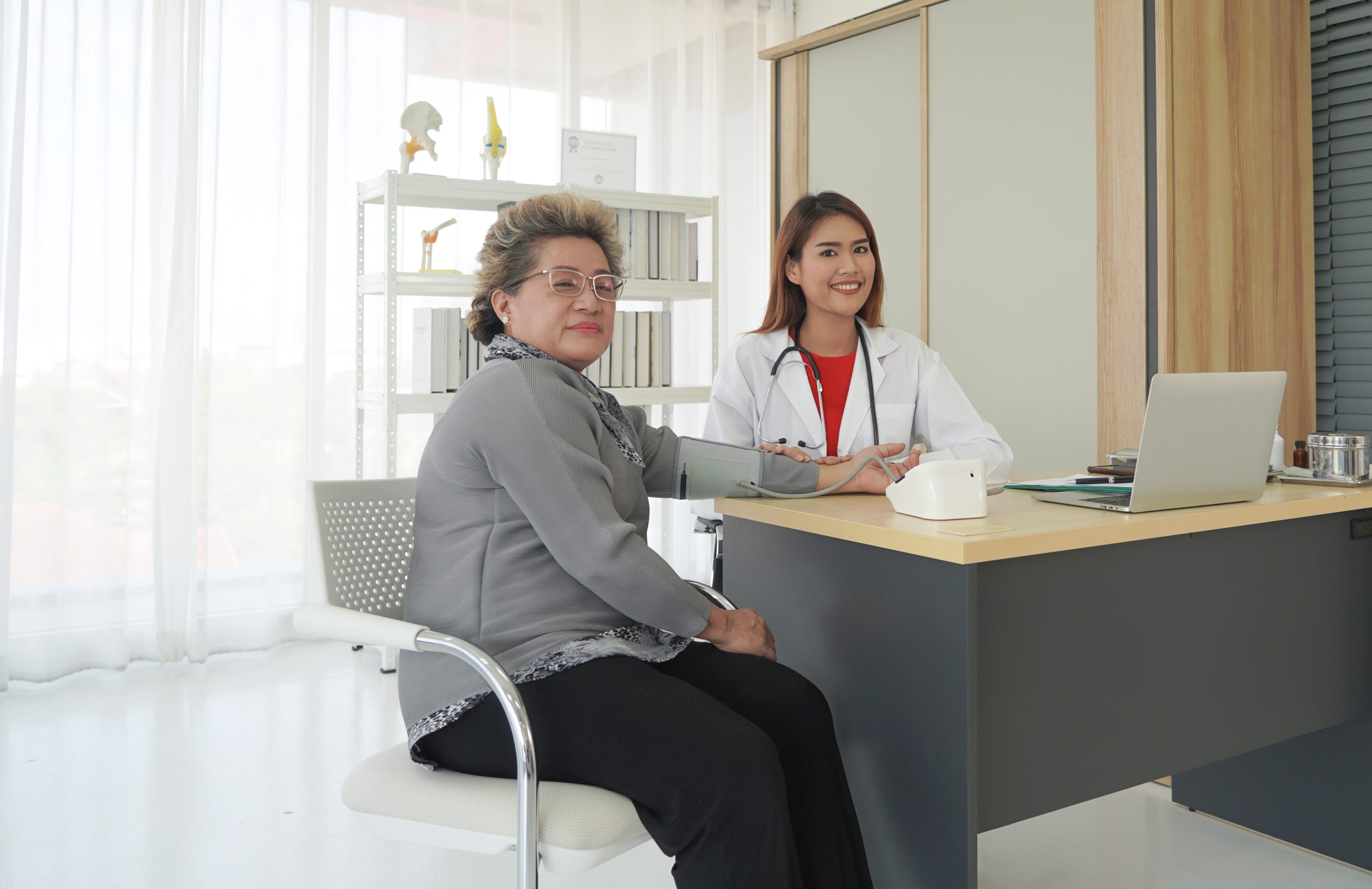
Health maintenance at this stage is about staying engaged, not disengaging — regular check-ins help catch changes early and keep you feeling like yourself through this transition and beyond.
Quick Reference: Screening by Age
| Life Stage | Key Focus Areas |
|---|---|
| Teens | Menstrual health, PCOS/endometriosis awareness, HPV vaccination |
| 20s & 30s | Menstrual health, cervical screening (Pap from 25 / HPV from 30), sexual health, contraception, premenstrual syndrome (PMS), preconception & pregnancy care |
| 40s | Menstrual changes, cervical screening, urinary & vaginal health, ovarian cysts, mammogram (discuss from 40), perimenopause, mammogram yearly till 50 |
| 50 & Above | Menopause care, abnormal bleeding (always check), cervical screening, mammogram (every 2 years, 50–69), bone health, contraception if applicable |
This table is a general guide, not a personalised screening plan. Your own recommended screening may differ based on your health history, family history, and individual risk factors — always worth discussing directly with your doctor.
Frequently Asked Questions
How do I know which screenings apply to me?
The guide above is a general starting point based on age, but your personal screening needs depend on your health history, family history, and any symptoms you’re experiencing. Dr Sheri Lim can help you build a screening plan specific to you.
Should I start screening earlier if I have a family history of a condition?
Possibly. Family history of conditions such as breast or ovarian cancer, endometriosis, or early menopause can mean earlier or more frequent screening is appropriate. Let us know your family history so we can advise accordingly.
I'm not currently sexually active — do I still need cervical screening?
Cervical screening is recommended for women who have ever been sexually active. If this doesn’t apply to you, discuss with your doctor whether and when screening is appropriate for you.
Is it normal for periods to change as I get older?
Some change is expected, particularly heading into your 40s as perimenopause begins. However, heavier bleeding, bleeding between periods, or bleeding after menopause should always be checked rather than assumed to be a normal part of ageing.
Can I come in for a general screening review even if nothing feels wrong?
Yes — many of the checks above are most valuable exactly when nothing feels wrong, since that’s when early detection has the most impact.

Schedule An Appointment
Wherever you are in life, Dr Sheri Lim is here to help you understand what matters most for your health right now — and what to keep an eye on as things change. Schedule a screening consultation today.