
A Guide to Fertility Blood Tests
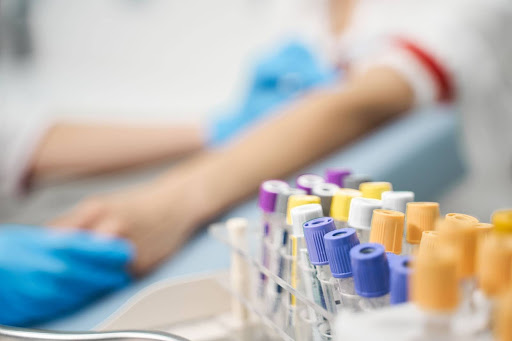
A Guide to Blood Tests in Fertility Screening
In Singapore, nearly one in six couples face challenges when trying to conceive and often require medical guidance to uncover the underlying causes.
If you and your partner are having trouble getting pregnant, a fertility screening can help figure out what’s going on.
In a fertility screening, blood tests are a key part. Fertility blood tests help doctors check hormone levels, ovarian reserve, and cycle health.
However, it’s important to know that fertility blood tests don’t give a simple “yes or no” answer about fertility, but they only provide useful information to guide the next steps in your conception efforts.
In this article, we’ll share common types of fertility blood tests and explain what the results can reveal about your reproductive health.
Knowing what each test checks can make the process less confusing and more empowering.
What Are Fertility Blood Tests and Why Are They Important?
Fertility blood tests check hormone levels to better understand reproductive health and fertility. They can help pinpoint factors such as hormone imbalances or ovulation issues that may affect the ability to get pregnant.
These tests are done at varying times of the menstrual cycle when hormone levels naturally change.
More so, fertility blood tests are important because they:
- Help identify ovulation patterns, which are essential for conception and timing intercourse more effectively.
- Detect hormone imbalances and underlying health conditions, such as thyroid or autoimmune disorders, that can affect fertility.
- Assess ovarian reserve to better understand reproductive potential and timeline.
- Guide appropriate treatment options and inform lifestyle adjustments that may support fertility.
Remember, fertility screening blood test results should always be reviewed by a healthcare professional, as hormone levels can be complex and not meant for self-diagnosis via online searches, forums, or simply Google.
Key Hormone Blood Tests Used in Fertility Screening
Hormones are chemical messengers that participate in the body’s growth, metabolism, and reproduction. Female fertility hormones such as FSH, LH, AMH, and more, help control the menstrual cycle and prepare the body for pregnancy.
These are the key hormone tests used in fertility screening.
1. Anti-Müllerian Hormone (AMH)
Anti-Müllerian Hormone (AMH) is a key hormone produced by small ovarian follicles. Testing AMH levels in the blood helps with a woman’s ovarian reserve assessment. Higher levels suggest a greater number of eggs, and lower levels may indicate fewer eggs remaining.
The test is simple, can be done at any stage of the cycle, and offers results that help guide fertility care and planning.
For a fuller picture of ovarian health, an AMH blood test in Singapore is often combined with an ultrasound procedure at Eden Women’s Health.
2. Follicle-Stimulating Hormone (FSH)
FSH, or the Follicle-Stimulating Hormone, is produced by the pituitary gland, which is a small gland located at the base of the brain.
FSH plays a key role in stimulating the growth of ovarian follicles before an egg is released.
Higher-than-normal FSH levels can indicate that the ovaries are not responding optimally and may suggest a reduced ovarian reserve.
For basic FSH fertility screening blood tests, you should get checked on day three of your menstrual cycle.
3. Luteinising Hormone (LH)
Luteinising Hormone (LH) is made by the pituitary gland and is essential for triggering egg release during ovulation. Measuring LH can help track ovulation and spot hormone imbalances that may affect fertility.
More so, LH is often checked alongside FSH, as a high LH-to-FSH ratio can be a sign of polycystic ovarian syndrome (PCOS).
4. Estradiol (E2)
Estradiol or E2 is a form of estrogen produced by ovarian follicles to help regulate the menstrual cycle, play a crucial role in follicle and endometrial growth, and egg development.
An estradiol blood test checks estrogen levels and how effectively the ovaries respond to FSH.
Because estradiol can suppress FSH, normal FSH levels alongside high estradiol may mask signs of diminished ovarian reserve.
5. Progesterone
Progesterone is a hormone that helps get the uterus ready for pregnancy by creating the right conditions for a fertilised egg to implant.
Checking progesterone levels can show whether ovulation has taken place, and it’s usually measured around day 21 of a 28-day cycle. The results help fertility specialists see if ovulation is happening and whether support is needed.
Additional Blood Tests That May Be Recommended
In addition to reproductive hormones, fertility blood tests may evaluate other health indicators that can affect fertility, such as:
- Thyroid function: The thyroid produces hormones that regulate your body’s energy use and metabolism. Abnormal thyroid levels seen in the test can impact fertility by affecting ovulation and altering the regularity of your menstrual cycles.
- Prolactin levels: Prolactin is a hormone made by the pituitary gland that helps prepare the breasts for milk production during pregnancy. In women, elevated prolactin levels can disrupt menstrual cycles and interfere with fertility.
- Blood sugar and insulin markers: Insulin regulates blood sugar, and imbalances can interfere with ovulation, making it harder to conceive. Blood tests can check insulin levels to help identify issues affecting fertility.
- Vitamin D and nutritional markers: Vitamin D supports hormone balance, reduces inflammation that can affect ovulation, and helps with implantation. Blood tests can check for deficiencies and other key nutrients important for fertility.
Hormonal issues discovered through these tests are often managed through gynaecology services with a personalised approach tailored to your fertility needs.
When Should Fertility Blood Tests Be Done?
The timing of fertility blood tests depends on the type of hormone being measured.
Certain hormones, such as FSH, LH, and estradiol, are typically measured on days 2–3 of the menstrual cycle. Progesterone is usually tested around day 21 of the cycle. Meanwhile, AMH can be done at any time.
For women planning pregnancy later in life, they may opt to test ovarian reserve early, while those actively trying may combine blood tests with ovulation tracking for immediate guidance.
Testing strategies vary based on age and reproductive goals, so a healthcare provider can help determine the most appropriate timing and tests for each individual.
Who Should Consider Fertility Blood Testing?

If you’re thinking about starting a family, fertility blood testing can help you understand your reproductive health and identify any factors that may affect your chances of conceiving.
They are often recommended if you:
- Are planning pregnancy later in life and want to know your ovarian reserve
- Have been trying to conceive without success
- Experience irregular or missing periods
- Have a history of miscarriage or known hormonal conditions
- Have been diagnosed with endometriosis or PCOS; women with irregular cycles may benefit from targeted PCOS screening and support.
Understanding Your Results and Next Steps
Once your fertility screening blood test results are available, they should be reviewed by a healthcare professional who can interpret them in the context of your menstrual cycle, symptoms, medical history, and overall health.
Because hormone levels change throughout the cycle and are affected by many factors, the results need professional interpretation to be understood accurately.
Depending on your results, your doctor may recommend follow-up blood tests, ultrasounds, or other scans to gain a clearer understanding of ovulation, ovarian reserve, or underlying conditions.
Next steps may also include lifestyle, nutritional, or medical recommendations tailored to your individual needs.
Supporting hormone health can include targeted lifestyle changes and fertility nutrition support as part of a comprehensive fertility care plan.
Fertility blood tests are a valuable starting point for your fertility journey, not a final diagnosis.
These tests provide important insights, but they don’t give the full picture on their own.
At Eden Women’s Health, women and couples can access professional screening and expert guidance to make informed, confident decisions on their fertility journey.