
“Am I in Perimenopause?” — An Eden Women’s Health Guide for Singapore Women
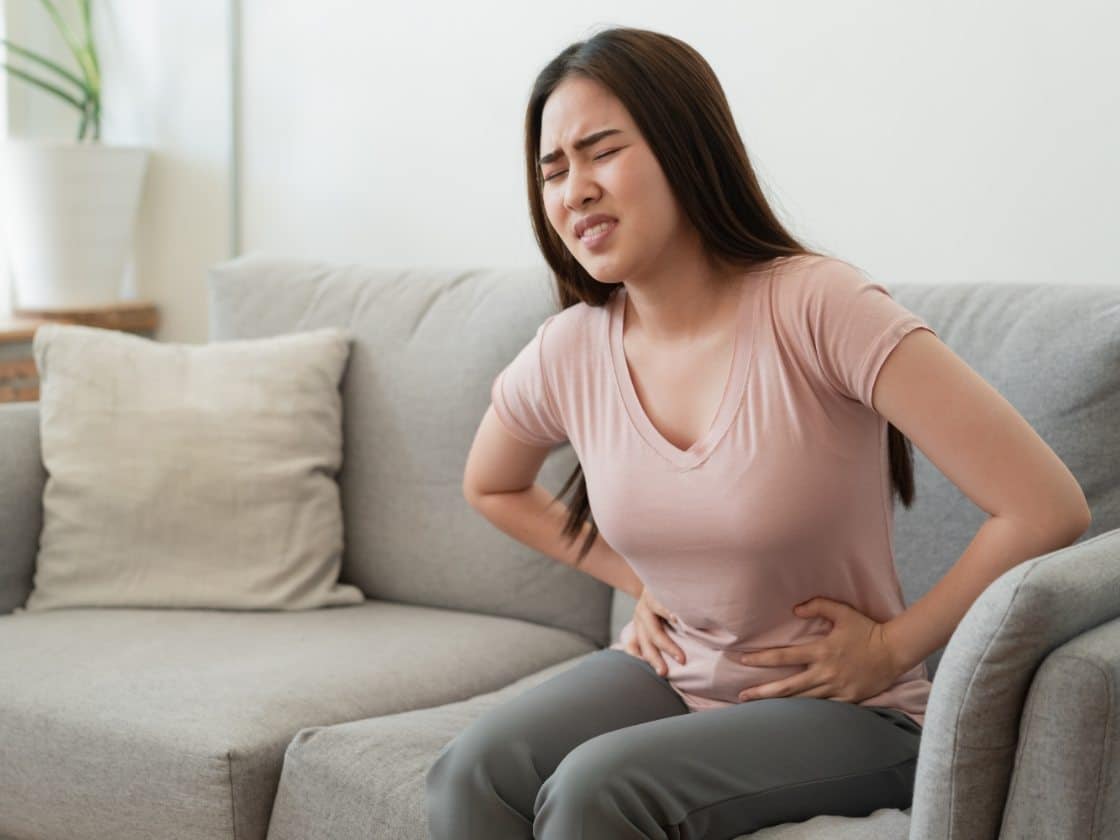
There is a particular kind of confusion that creeps in somewhere in your 40s — sometimes earlier. Your period, once predictable, starts showing up early or late or not at all. You wake up at 3am, heart racing, drenched. You snap at your kids over something small and do not recognise your own reaction. You walk into a room and forget why.
If this sounds familiar, you are not losing your mind, and you are not “just stressed.” You may be in perimenopause — and you are far from alone in wondering what is happening to your body.
A 2025 study by KK Women’s and Children’s Hospital found that seven in ten Singaporean women aged 45 to 65 experience moderate to severe symptoms during this transition — yet seven in ten of those women never sought medical help. Many simply did not connect the dots. Others assumed nothing could be done. Both are misconceptions we hear often at Eden Women’s Health, and both are worth unpacking.
What perimenopause actually is
Perimenopause is the transitional phase leading up to menopause, during which your ovaries gradually produce less oestrogen and progesterone. For most women in Singapore, it begins in the mid-to-late 40s — our local average age of menopause is 49, slightly earlier than the Western average — though some women notice changes as early as their mid-30s.
Here is what surprises many patients: you can be in perimenopause even while your periods are still regular. Hormonal fluctuations often begin quietly, years before your cycle visibly changes. And interestingly, research on Asian women — including local studies — shows that hot flushes are not always the dominant symptom here the way they are in Western populations. In Singapore, the most commonly reported symptoms include joint and muscle aches, disrupted sleep, physical and mental exhaustion, and urinary or sexual health changes. If you are not sweating through the night but you are constantly tired, achy, or “just not yourself,” that can still be perimenopause.
This phase typically lasts four to eight years, sometimes longer, and ends only once you have gone a full 12 months without a period — the point officially marking menopause.
The changes in your cycle
Irregular periods are usually the first thing women notice — cycles that shorten, lengthen, or skip altogether. This happens because ovulation becomes less predictable as hormone levels fluctuate. Periods may also become heavier, lighter, or come with new spotting between cycles.
We want to be clear about one thing: heavier or irregular bleeding should not automatically be written off as “just perimenopause.” While anovulatory cycles are a common and often harmless cause, heavy or prolonged bleeding can also point to fibroids or polyps that deserve proper evaluation. If you are soaking through protection hourly, bleeding for more than a week, or feeling persistently fatigued and breathless, please come in and see us.
And a reminder that catches many women off guard: irregular periods do not mean you cannot get pregnant. Ovulation can still happen unpredictably during perimenopause, so contraception remains important until menopause is confirmed.
The nights you cannot sleep, and the heat that comes from nowhere
Hot flushes and night sweats happen because declining oestrogen affects the temperature-regulation centre in your brain, triggering sudden waves of heat and sweating — often disruptive enough to fragment your sleep entirely. Even without night sweats, many women notice their sleep simply is not what it used to be; hormonal shifts affect sleep architecture directly. The result is a fatigue that persists even when you are technically getting enough hours in bed.
Small changes help — a cooler bedroom, breathable sleepwear, cutting back on evening alcohol and caffeine, paced breathing before bed. For symptoms that persist despite this, effective non-hormonal options exist, and we are happy to talk you through them.
Your mind, your mood, and why “brain fog” is real
If you have felt more anxious, more irritable, or emotionally unlike yourself lately, there is a physiological reason. Oestrogen has real influence over serotonin and other mood-regulating neurotransmitters — its fluctuation can genuinely affect emotional resilience, and in some women, trigger or worsen depression, particularly during the most hormonally volatile years of this transition.
The same goes for “brain fog” — the forgotten word mid-sentence, the lost train of thought. This is a well-documented cognitive effect of fluctuating oestrogen on processing speed and verbal memory, not a sign that something is fundamentally wrong with you, and not something you have to just accept.
Intimacy, dryness, and a conversation many women avoid
A drop in oestrogen and testosterone — layered on top of fatigue and mood changes — often means reduced libido. For many women, sex also becomes physically uncomfortable due to vaginal dryness and thinning tissue, which can affect arousal and sensation too.
This is one of the most treatable aspects of perimenopause, yet one of the most under-discussed. Vaginal moisturisers, lubricants, and low-dose local oestrogen therapy — which is safe for the vast majority of women, including many who cannot take systemic HRT — can make a significant difference. You do not need to simply live with this.
The weight that will not shift
Many women notice new weight gain around the abdomen despite no real change in diet or activity — this is a genuine hormonal effect, as shifting hormones favour fat redistribution to this area while metabolic rate and muscle mass decline. This is not a willpower problem.
What helps: prioritising protein, fibre, and whole foods; moderating processed carbohydrates and alcohol; and — importantly — incorporating resistance training. Strength training becomes increasingly valuable during this transition, preserving the muscle mass and bone density that naturally decline faster from here on.
The hormone therapy conversation
This is where we get the most questions, and understandably so — there is a lot of outdated fear still circulating.
Hormone replacement therapy (HRT), more accurately called menopausal hormone therapy (MHT), effectively treats hot flushes, night sweats, mood symptoms, and vaginal dryness, while also protecting long-term bone health. For most healthy women starting within ten years of menopause, current evidence supports it as safe and effective — and notably, the US FDA recently removed its broad “black box” warning on these therapies, part of a global shift toward evidence-based, rather than fear-based, care.
Breast cancer risk with HRT is smaller than commonly perceived and varies by formulation, dose, and duration — this is worth an individualised conversation rather than a blanket answer either way. HRT does not cause weight gain. It can often be started even while you are still having periods, not only after they stop. And if hormones are not right for you, non-hormonal medications and targeted therapies remain effective alternatives.
A word of caution on “bioidentical hormones”: regulated, body-identical hormones prescribed through your doctor have solid evidence behind them. Unregulated compounded products marketed as “natural” or “custom” do not carry the same safety oversight — this distinction matters.
Protecting your future self
Perimenopause is not only about symptoms in the moment — it is a window for long-term protection. Declining oestrogen accelerates bone loss and raises cardiovascular risk, while cholesterol profiles often shift unfavourably. This makes the perimenopausal years an ideal time for a comprehensive health screening — bone density, cardiovascular risk, cancer screening — tailored to where you are in this transition.
What should never simply be blamed on perimenopause
Not everything is hormonal, and we never want a woman to be dismissed. Unexplained weight loss, severe unrelenting pain, very heavy bleeding, or new neurological symptoms should always be properly evaluated, not assumed. Thyroid disorders and anaemia, in particular, can closely mimic perimenopausal symptoms — which is exactly why self-diagnosis has its limits. Diagnosis is often clinical, based on age and symptom pattern, but blood tests have their place, particularly if you are under 40 and experiencing these changes.
Your body is changing — you do not have to navigate it alone
If any part of this felt familiar, that recognition matters. Perimenopause is not a problem to endure quietly, and it is not something you should have to piece together from forums at midnight. Whether the right next step for you is lifestyle adjustments, hormone therapy, or simply the reassurance that what you are feeling is real and valid — that is a conversation best had together, with a doctor who is actually listening.
Book a consultation with Eden Women’s Health. You deserve answers, not guesswork.
This is a q and a format
Am I in Perimenopause? An OBGYN Answers Singapore Women’s Most Common Questions
By the physicians at Eden Women’s Health
Your body is changing — but you do not have to navigate the change alone.
If you are a woman in your 40s (or even late 30s) in Singapore and you have been lying awake at 3am wondering why you are suddenly hot, anxious, and your period has gone rogue, you are not imagining things. You are also not alone — this is one of the most common conversations we have in clinic. Here is what you need to know.
“Am I actually in perimenopause?”
What is perimenopause, and when does it start?
Perimenopause is the transitional phase leading up to menopause, when your ovaries gradually produce less oestrogen and progesterone. For most women, it begins in the mid-to-late 40s, though it can start earlier. It ends 12 months after your final period — the official marker of menopause.
Can I be in perimenopause even if I still get my period every month?
Yes. Regular periods do not rule out perimenopause. Hormonal fluctuations often begin years before cycles become visibly irregular.
What are the first signs of perimenopause?
Subtle cycle changes (shorter or longer gaps), disrupted sleep, new anxiety or irritability, and hot flushes are usually the earliest clues.
How do I know whether my symptoms are perimenopause or just stress?
Stress and perimenopause symptoms overlap heavily — that is exactly why so many women get misdiagnosed or dismissed. A detailed history, cycle tracking, and sometimes bloodwork help distinguish the two. This is best assessed in consultation rather than guessed at home.
Can perimenopause happen in my 30s?
It is less common but possible — this is called early perimenopause. If you are under 40 with these symptoms, it is worth seeing a gynaecologist to rule out other causes, including premature ovarian insufficiency.
How long does perimenopause usually last?
On average, 4–8 years, though it varies widely between individuals.
When will I know I have reached menopause?
Menopause is confirmed retrospectively — once you have gone 12 consecutive months without a period.
Periods & Bleeding
Why are my periods suddenly irregular?
Fluctuating oestrogen and progesterone disrupt the predictable rhythm of ovulation, causing cycles to shorten, lengthen, or skip.
Why have my periods become heavier or longer?
This is common in perimenopause due to anovulatory cycles (cycles without ovulation), but heavy bleeding should never be assumed “normal” without assessment — it can also signal fibroids or polyps.
Is spotting between periods normal?
Occasional spotting can occur, but it always deserves a proper evaluation rather than being brushed aside.
When should heavy bleeding be investigated?
If you are soaking through pads/tampons hourly, passing large clots, bleeding for more than 7 days, or feeling persistently fatigued or breathless, please see a doctor promptly.
Can I still get pregnant if my periods are irregular?
Yes — ovulation can still occur unpredictably, so pregnancy remains possible until you have reached true menopause.
Do I still need contraception during perimenopause?
Generally yes, until menopause is confirmed. Your doctor can advise on suitable options that may also help manage symptoms.
Hot Flushes & Sleep
Why am I suddenly getting hot flushes?
Declining oestrogen affects your brain’s temperature-regulation centre, causing sudden waves of heat, flushing, and sweating.
Why do I wake up sweating at night?
Night sweats are hot flushes occurring during sleep — one of the most disruptive perimenopausal symptoms.
Why can I not sleep like I used to?
Hormonal shifts affect sleep architecture directly, independent of night sweats. Many women notice lighter, more fragmented sleep.
Can perimenopause cause fatigue even when I am sleeping enough?
Yes — hormonal changes themselves can cause fatigue, compounded by poor sleep quality.
What can I do about night sweats without taking hormones?
Cooling bedroom environments, breathable sleepwear, limiting alcohol/caffeine in the evening, and paced breathing techniques can help. For persistent symptoms, non-hormonal medications are also available.
Mood, Memory & Mental Wellbeing
Why am I suddenly more anxious or irritable?
Oestrogen influences serotonin and other mood-regulating neurotransmitters — its fluctuation can genuinely alter emotional resilience, not just “stress tolerance.”
Can perimenopause cause depression?
It can trigger new depressive symptoms or worsen a prior history of depression, particularly around perimenopause’s most hormonally volatile years.
Why do I feel like my concentration and memory are not what they used to be?
This is real and well-documented, not “just aging.” Many women describe forgetting words mid-sentence or losing their train of thought.
Is “brain fog” really related to hormones?
Yes — oestrogen plays a role in cognitive processing speed and verbal memory, and fluctuations can produce this hazy, hard-to-focus feeling.
Why do I feel emotionally different from before?
Many women describe feeling like “a different version of themselves.” This is a recognised experience tied to hormonal change, and it is valid to seek support for it.
Sex, Relationships & Intimate Health
Why has my sex drive suddenly decreased?
Lower oestrogen and testosterone, combined with fatigue, mood changes, and physical discomfort, can all reduce libido.
Why does sex hurt now when it did not before?
This is usually due to vaginal dryness and thinning tissue from declining oestrogen — a very treatable condition.
Why am I experiencing vaginal dryness?
Oestrogen keeps vaginal tissue lubricated and elastic; as levels fall, dryness, itching, and irritation become common.
Can perimenopause affect orgasms?
Yes — reduced blood flow and sensation changes can affect arousal and orgasm intensity.
What can I do about vaginal dryness or recurrent urinary symptoms?
Vaginal moisturisers, lubricants, and low-dose local oestrogen therapy (which is very safe, even for many women who cannot take systemic HRT) are effective options worth discussing with your doctor.
Weight & Metabolism
Why am I gaining weight around my abdomen?
Hormonal shifts favour fat redistribution to the abdomen, even without changes in diet or activity.
Why is it suddenly harder to lose weight?
Metabolic rate, muscle mass, and insulin sensitivity all shift during this transition, making weight loss genuinely more difficult — not a matter of willpower.
Does perimenopause slow my metabolism?
Yes, partly due to hormonal changes and partly due to age-related muscle loss if not actively countered.
What should I eat during perimenopause?
Prioritise protein, fibre, calcium, and whole foods, while moderating processed carbohydrates and alcohol. Individualised advice is more useful than generic diets — this is worth discussing at a consultation.
Should I change my exercise routine?
Yes — incorporating resistance training becomes increasingly important, alongside cardiovascular exercise.
Does strength training really matter during menopause?
Enormously. It preserves muscle mass, supports metabolism, and protects bone density — all of which decline faster during this transition.
Hormones & Treatment
Do I need hormone replacement therapy (HRT/MHT)?
Not everyone needs it — it depends on your symptoms, health history, and personal preference. It is a decision made together with your doctor, not a one-size-fits-all recommendation.
What exactly does HRT treat?
It effectively addresses hot flushes, night sweats, mood symptoms, vaginal dryness, and helps protect long-term bone health.
Is HRT safe?
For most healthy women starting within 10 years of menopause, current evidence supports HRT as safe and effective. Individual risk factors should always be reviewed with your doctor.
Will HRT make me gain weight?
No good evidence supports this — weight changes during this life stage are usually due to the perimenopausal transition itself, not HRT.
Does HRT increase my risk of breast cancer?
The risk varies by HRT type, dose, and duration, and is smaller than commonly perceived. This needs an individualised discussion based on your personal and family history.
Can I use HRT if I have migraines?
Often yes, particularly certain formulations — this requires personalised assessment.
Are there alternatives if I do not want hormones?
Yes — non-hormonal medications, lifestyle strategies, and targeted therapies for specific symptoms are all available.
Are “bioidentical hormones” better or safer?
Regulated, body-identical hormones (available through your doctor) have good evidence behind them. Unregulated “compounded bioidentical” products marketed as custom or natural lack the same safety and quality oversight — this distinction is worth understanding before choosing a product.
How long should I stay on HRT?
There is no fixed universal stop date — duration is individualised based on your symptoms, goals, and health profile, reviewed periodically with your doctor.
Can I start HRT while I am still having periods?
Yes, in many cases — treatment can often begin during perimenopause itself, not just after periods stop.
Long-Term Health
Does menopause affect my bones?
Yes — the drop in oestrogen accelerates bone loss, increasing osteoporosis risk, particularly in the years immediately around menopause.
Does it increase my risk of heart disease?
Yes — cardiovascular risk rises after menopause, partly due to hormonal changes affecting blood vessels and cholesterol.
What happens to cholesterol during menopause?
LDL (“bad” cholesterol) tends to rise while protective effects of oestrogen diminish — this is a good time to review your cardiovascular risk profile.
Should I have a health screening specifically because I am approaching menopause?
Yes — this is an ideal time for a comprehensive review covering bone density, cardiovascular risk, and cancer screening, tailored to your age and history.
How can I protect my brain, heart, bones and muscles as I age?
A combination of resistance exercise, adequate protein and calcium, cardiovascular activity, good sleep, and, where appropriate, HRT all contribute meaningfully to long-term health.
“Is This Normal?”
Which symptoms should I NOT simply blame on perimenopause?
Unexplained weight loss, severe unrelenting pain, very heavy bleeding, or new neurological symptoms should never be attributed to perimenopause without proper evaluation.
When should abnormal bleeding be investigated?
Any bleeding after 12 months without a period (postmenopausal bleeding), bleeding after sex, or unusually heavy/prolonged bleeding warrants prompt review.
When should I see a gynaecologist?
If symptoms are affecting your quality of life, you are uncertain whether what you are experiencing is perimenopause, or you have any bleeding concerns — it is always reasonable to seek an assessment.
Could my symptoms actually be caused by thyroid problems, anaemia or something else?
Yes — thyroid disorders, anaemia, and other conditions can mimic perimenopausal symptoms closely. This is why proper evaluation matters rather than self-diagnosis.
Do I need blood tests to diagnose perimenopause?
Not always — diagnosis is often clinical, based on age and symptom pattern. Blood tests are more useful for ruling out other conditions or in specific situations, such as suspected early perimenopause.
The Bottom Line
Perimenopause is not a problem to be endured quietly, nor is it something you should have to piece together from forums and half-remembered advice. Every woman’s experience is different, and the right path forward — whether that is lifestyle changes, HRT, or simply reassurance that what you are feeling is real — is one best found together with your doctor.
If any of these questions sound familiar, we encourage you to book a consultation with Eden Women’s Health. You deserve answers, not guesswork.