
Abnormal Pap Smear or Positive HPV Test: Understanding Your Next Steps
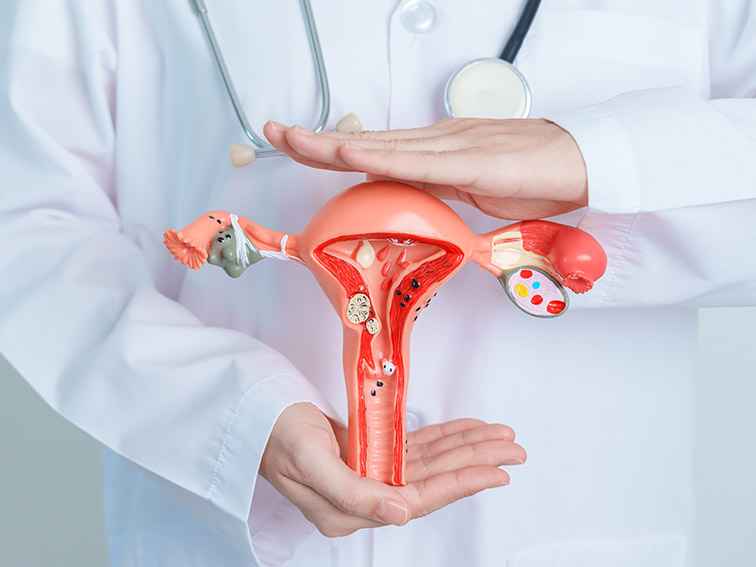
Getting a call from the clinic about an abnormal Pap smear or a positive HPV test is rarely easy. For many women, the first thought is cancer. The reality is usually far less frightening: these results tend to reflect common changes that can be managed, and quite often they settle on their own.
Below, we walk through what your result means, how follow-up typically works in Singapore, and the steps you can take to look after your cervix from here.
Quick Answer
An abnormal Pap smear tells your doctor that some of the cells taken from your cervix do not look quite as they should. A positive HPV test means a high-risk type of human papillomavirus (HPV) was found. Neither result means you have cervical cancer. Depending on your result, your doctor may recommend a repeat test, a follow-up Pap smear or a closer examination of the cervix called a colposcopy. Most abnormal changes found through screening can be monitored or treated well before they ever become cancer.
What an Abnormal Result Actually Means
Cervical screening is designed to find early changes, not to diagnose cancer. The two screening tests look for different things:
- Pap smear (Pap test): examines cervical cells under a microscope to check whether any look abnormal.
- HPV test: checks a cervical sample for high-risk strains of HPV, the virus behind almost all cervical cancers.
In Singapore, the national screening guidelines recommend a Pap smear every three years for women aged 25 to 29, and an HPV test every five years for women aged 30 to 69 who have ever been sexually active. Women with a weakened immune system, for example due to HIV infection or long-term immunosuppressive medication, may need screening more often, so please check with your doctor.
HPV is one of the most common infections in the world. Most of the time, the body fights off the virus by itself, usually within a year or two, and the infection leaves no lasting effect. Concern arises only when a high-risk infection persists over many years, as this can gradually cause precancerous changes. Because the process is slow, regular screening gives your doctor a wide window to act.
Not every abnormal Pap result is caused by HPV. Inflammation, yeast infections, lower oestrogen levels around menopause, or a sample with too few cells can also lead to an abnormal report.
Understanding the Terms on Your Pap Smear Report
Your doctor will interpret your result alongside your age, HPV status, and screening history.
| Result on report | What it means | Typical next step |
|---|---|---|
| ASC-US | Slightly unusual cells with an unclear cause; the most common abnormal finding | HPV testing, a repeat test, or colposcopy |
| LSIL | Mild changes, usually caused by HPV, that often clear on their own | Repeat testing or colposcopy |
| ASC-H | Changes that raise concern for more significant abnormalities | Colposcopy |
| HSIL | More serious changes that are less likely to resolve on their own | Colposcopy, and possibly treatment |
| AGC | Changes in the glandular cells of the cervix or uterus | Colposcopy and further evaluation, which may include sampling of the womb lining |
You may also see the term CIN on a biopsy report. CIN 1 refers to mild changes, while CIN 2 and CIN 3 refer to moderate to severe precancerous changes. Some biopsy reports use the terms LSIL and HSIL instead, where LSIL corresponds to CIN 1 and HSIL to CIN 2 and CIN 3.
What a Positive HPV Test Means and What Happens Next
In Singapore, laboratories usually report HPV test results by type. HPV 16 and HPV 18 cause most cervical cancers, so they are treated with extra caution. Under the pathway described by the Singapore Cancer Society:
| HPV result | Usual next step |
|---|---|
| Negative for all high-risk types | Routine screening again in five years |
| Positive for HPV 16 or HPV 18 | Referral for colposcopy |
| Positive for other high-risk types | A follow-up Pap smear to check for cell changes |
If the follow-up Pap smear is normal, your doctor will usually repeat the HPV test after a set interval. If it shows abnormal cells, a colposcopy is typically next.
A positive HPV test does not tell you when you were infected. HPV can remain inactive for many years before it is detected.
What to Expect During a Colposcopy
A colposcopy is a closer look at the cervix using a colposcope, a magnifying instrument that stays outside the body. At Eden Women’s Health, colposcopy with biopsy is performed as a day surgery procedure, which means you go home the same day.
- You will be asked to lie back on the examination couch, and a speculum is placed gently in the vagina.
- A mild liquid, usually dilute acetic acid (similar to vinegar), is dabbed onto the cervix. Abnormal areas tend to turn white, which makes them easier to spot.
- Your doctor examines the cervix through the colposcope.
- If any area looks abnormal, a small tissue sample (biopsy) may be taken for the laboratory.
Most women feel only mild discomfort or a brief pinch during a biopsy. Light spotting for a few days afterwards is common. Your doctor will advise you to avoid tampons, sexual intercourse and vaginal products for a short period after a biopsy. Please contact the clinic if you have heavy bleeding, fever or foul-smelling discharge. Try to book the procedure outside your period, and tell your doctor if you are, or may be, pregnant. If sedation is used, you will need someone to accompany you home.
Treatment Options for Abnormal Cervical Cells
Mild changes such as CIN 1 frequently resolve as the body clears HPV, so many women need monitoring only, with repeat tests at regular intervals.
CIN 2 and CIN 3 are less likely to clear by themselves, so doctors generally recommend removing or destroying the affected cells before they have a chance to progress. Common methods include loop excision (known as LEEP or LLETZ), laser treatment and cone biopsy. For some younger women with CIN 2, your doctor may suggest close monitoring instead of immediate treatment. The right option for you will depend on how large the abnormal area is, where it sits on the cervix, what your biopsy showed, and whether you hope to have children later. Treatment for precancerous cervical changes is effective in the vast majority of women, and follow-up testing afterwards confirms the cells have not returned.
Protecting Your Cervical Health Going Forward
- Keep your follow-up appointments. Missed follow-up is one of the main reasons precancerous changes go unnoticed.
- Consider HPV vaccination. In Singapore, the national immunisation schedules recommend it for all females aged 9 to 26, and the Gardasil 9 vaccine is approved for both females and males aged 9 to 45. From 1 January 2027, Gardasil 9, which protects against nine HPV types, will join the national schedules, with subsidies and MediSave use for eligible Singaporeans and Permanent Residents. Women above 26 can ask their doctor whether it is suitable. The vaccine is not given during pregnancy.
- Quit smoking, or do not start. Women who smoke find it harder to clear HPV, and they face a higher risk of cervical cancer.
- Pay attention to symptoms. Bleeding after sex, spotting between periods, any bleeding after menopause, or a change in discharge should be checked by a doctor without delay, even if your last screening was normal.
Speak With a Gynaecologist in Singapore About Your Results
An abnormal Pap smear or positive HPV test is a signal to take the next step, not a diagnosis. With timely follow-up, most precancerous changes can be identified and managed effectively.
Whether you have just received an abnormal result or are due for follow-up, Dr Sheri Lim, an experienced female gynaecologist in Singapore, and the team at Eden Women’s Health can go through your report with you, explain what it means in your situation and arrange colposcopy or further care if you need it. Book an appointment to discuss your next steps.
Frequently Asked Questions
Does an abnormal Pap smear mean I have cancer?
No. It simply means some cervical cells look unusual. HPV and inflammation account for most of these changes, and many clear up without treatment.
Does a positive HPV test mean my partner was unfaithful?
Not necessarily. HPV can stay inactive in the body for many years, so a positive result cannot show when or from whom the infection was acquired.
Will treatment affect my ability to have children?
Most women go on to have healthy pregnancies after treatment. Some treatments may slightly increase the risk of preterm birth, so discuss your family plans with your gynaecologist beforehand.
I have had the HPV vaccine. Do I still need screening?
Yes. Gardasil 9 covers nine HPV types, including those behind about 90 per cent of cervical cancers, but not every high-risk type, and it does not treat an infection that is already present. You should still attend screening at the intervals your doctor recommends.